The Ultimate Guide To Orchard Companion Planting
The Ultimate Guide to Orchard Companion Planting
Introduction
Companion planting is a gardening practice that involves planting different types of plants together to benefit each other. This can be done in vegetable gardens, flower gardens, and even orchards.
In an orchard, companion planting can be used to attract pollinators, repel pests, improve soil health, and conserve water. By carefully selecting the right companion plants, you can create a thriving ecosystem that will support your fruit trees and give you a bountiful harvest.
Main Content
Attracting Pollinators
Pollinators are essential for fruit production. Without them, your fruit trees will not be able to set fruit. There are many different types of pollinators, including bees, butterflies, moths, and hummingbirds.
Some of the best companion plants for attracting pollinators include:
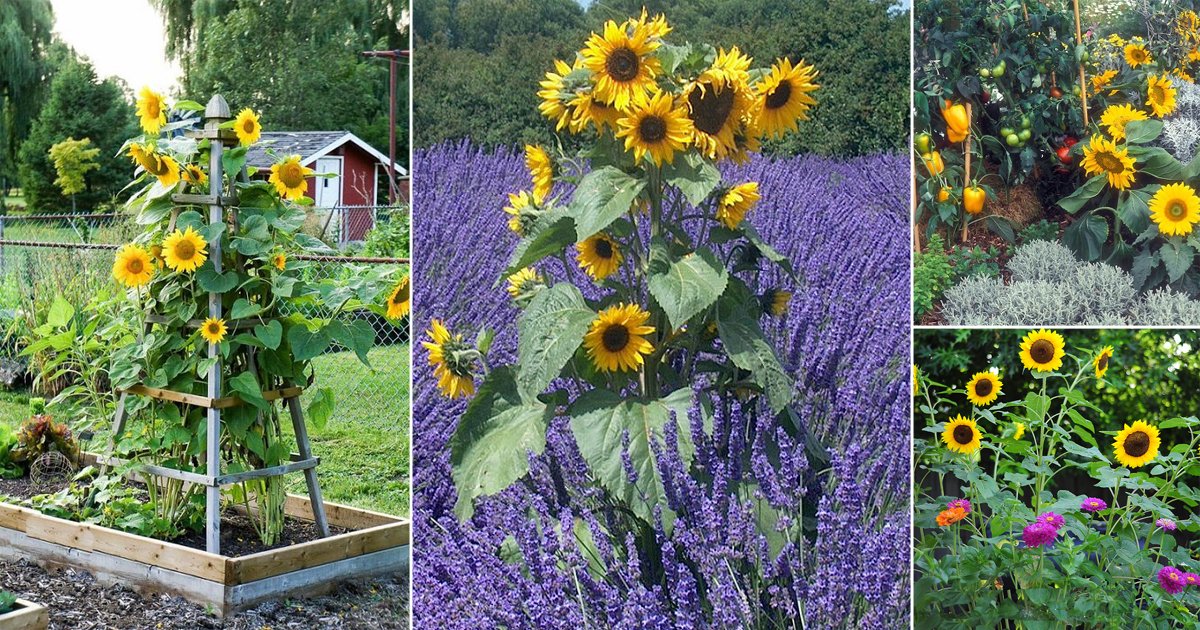
- Sunflowers: Sunflowers are a great source of nectar for bees and other pollinators. They also help to attract beneficial insects that prey on pests.
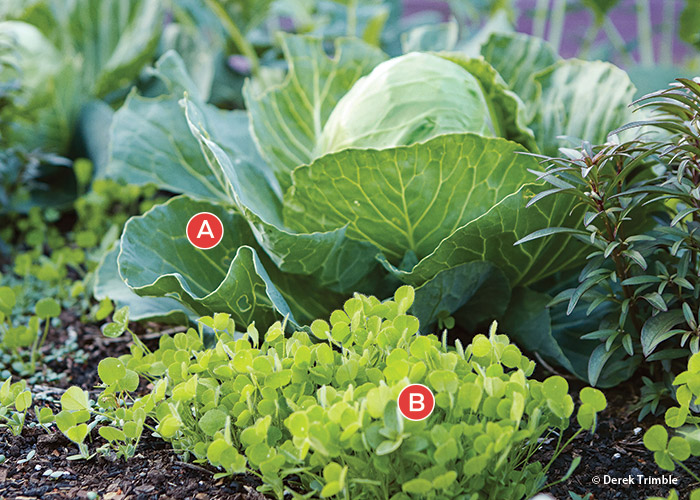
- Clover: Clover is a nitrogen-fixing plant that helps to improve soil health. It also attracts bees and other pollinators.
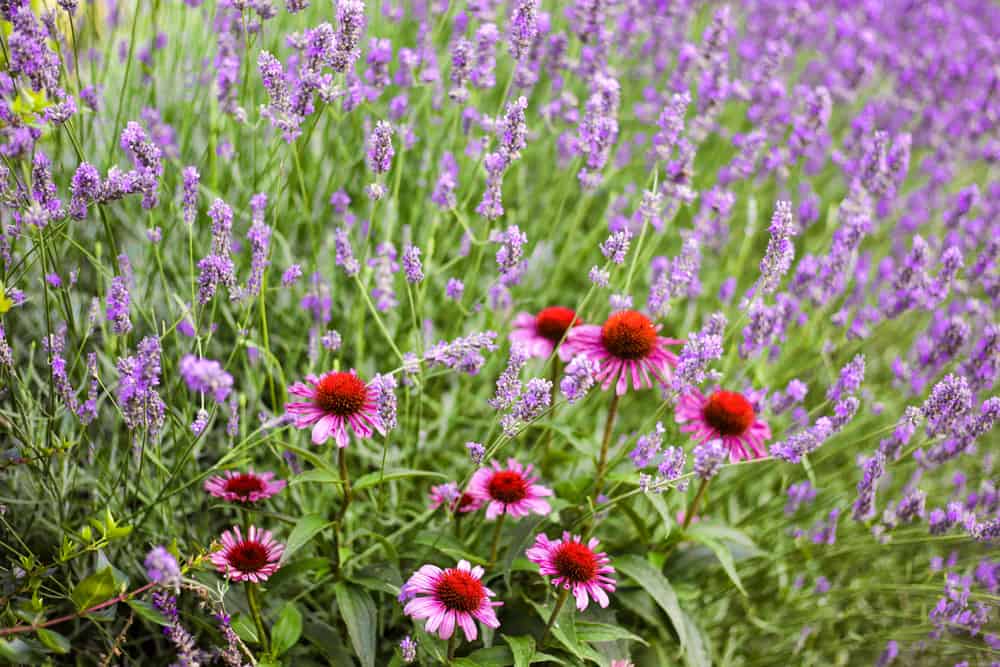
- Lavender: Lavender is a fragrant herb that attracts bees and butterflies. It also helps to repel pests.
- Marigolds: Marigolds are another fragrant herb that attracts bees and butterflies. They also help to repel pests.

- Yarrow: Yarrow is a hardy herb that attracts bees and butterflies. It also helps to repel pests.

Repelling Pests
There are many different pests that can attack fruit trees. Some of the most common pests include aphids, scale, and borers.
There are a number of companion plants that can help to repel pests. Some of the best include:
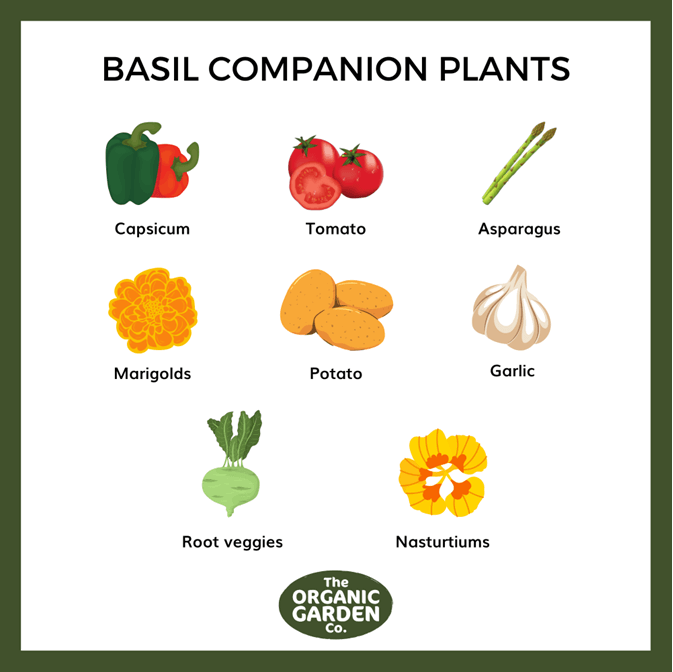
- Basil: Basil is a fragrant herb that repels aphids, mosquitoes, and other pests.
- Chives: Chives are a pungent herb that repels aphids, mosquitoes, and other pests.

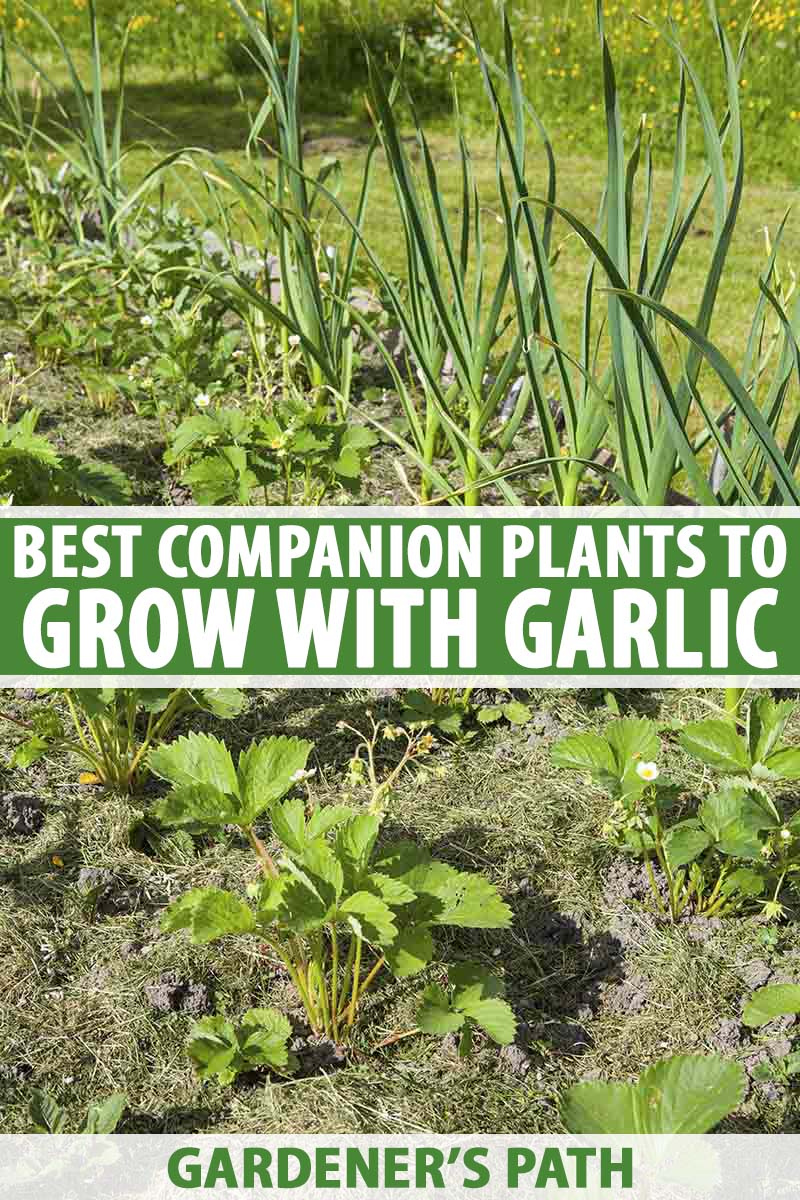
- Garlic: Garlic is a strong-scented herb that repels a wide range of pests.
- Nasturtiums: Nasturtiums are a colorful flower that repels aphids, whiteflies, and other pests.

- Marigolds: As mentioned above, marigolds are another fragrant herb that repels pests.
Improving Soil Health
The health of your soil is essential for the health of your fruit trees. There are a number of companion plants that can help to improve soil health. Some of the best include:
- Clover: As mentioned above, clover is a nitrogen-fixing plant that helps to improve soil health.
- Comfrey: Comfrey is a deep-rooted plant that helps to improve soil drainage and aeration.
- Legumes: Legumes are nitrogen-fixing plants that help to improve soil health.
- Mulch: Mulch helps to suppress weeds, conserve water, and improve soil health.
Conserving Water
Water is essential for fruit tree production. However, water can be a scarce resource in some areas. There are a number of companion plants that can help to conserve water. Some of the best include:
- Mulch: As mentioned above, mulch helps to conserve water.
- Cacti: Cacti are drought-tolerant plants that can help to conserve water in dry areas.
- Succulents: Succulents are drought-tolerant plants that can help to conserve water in dry areas.
Conclusion
Companion planting is a great way to improve the health and productivity of your orchard. By carefully selecting the right companion plants, you can create a thriving ecosystem that will support your fruit trees and give you a bountiful harvest.
Orchard companion planting is a great way to improve the health and productivity of your fruit trees. By planting the right companion plants around your trees, you can attract pollinators, repel pests, improve soil quality, and suppress weeds.
There are many different companion plants that can be beneficial for orchards. Some of the most popular include:
- Herbs: Herbs like chamomile, dill, and fennel attract pollinators and can help to repel pests.
- Flowers: Flowers like marigolds, nasturtiums, and sunflowers attract pollinators and can help to improve soil quality.
- Vegetables: Vegetables like beans, peas, and potatoes can help to suppress weeds and improve soil nitrogen levels.
If you're interested in learning more about orchard companion planting, I recommend visiting the Gardenia Inspiration. This website has a wealth of information on the topic, including plant lists, planting guides, and pest control tips.
FAQ of orchard companion planting
1. What is orchard companion planting?
Orchard companion planting is the practice of planting different types of plants together in an orchard. This can be done to improve the health and productivity of the trees, as well as to attract beneficial insects and pollinators.
2. What are the benefits of orchard companion planting?
There are many benefits to orchard companion planting, including:
- Improved tree health: Companion plants can help to attract beneficial insects and pollinators, which can help to control pests and diseases. They can also help to improve the soil quality, which can lead to healthier trees.
- Increased productivity: Companion plants can help to improve the pollination of fruit trees, which can lead to increased yields. They can also help to suppress weeds, which can free up the trees' resources for fruit production.
- Enhanced biodiversity: Companion planting can help to attract a wider variety of beneficial insects and animals to the orchard, which can help to create a more sustainable ecosystem.
3. What are some good companion plants for orchards?
Some good companion plants for orchards include:
- Nettle: Nettles attract beneficial insects such as ladybugs and lacewings, which help to control pests. They also help to improve the soil quality.
- Yarrow: Yarrow attracts beneficial insects and pollinators, and it also helps to suppress weeds.
- Clover: Clover fixes nitrogen in the soil, which can help to improve the health of the trees. It also helps to suppress weeds.
- Basil: Basil repels pests such as mosquitoes and aphids. It also attracts beneficial insects such as bees and butterflies.
- Marigold: Marigolds repel pests such as nematodes and aphids. They also attract beneficial insects such as ladybugs and lacewings.
4. How do I choose companion plants for my orchard?
When choosing companion plants for your orchard, it is important to consider the following factors:
- The type of fruit trees you are growing.
- The climate you live in.
- The pests and diseases that are common in your area.
- The size of your orchard.
5. Where can I find more information about orchard companion planting?
There are many resources available to help you learn more about orchard companion planting. Here are a few suggestions:
- The Rodale Institute: The Rodale Institute is a non-profit organization that promotes sustainable agriculture. They have a wealth of information on companion planting, including a searchable database of companion plants.
- The University of California, Davis: The University of California, Davis has a comprehensive website on orchard management. The site includes a section on companion planting, with information on specific companion plants for different types of fruit trees.
- The National Gardening Association: The National Gardening Association is a non-profit organization that promotes gardening in the United States. They have a website with a section on companion planting, with information on how to choose companion plants and how to plant them.
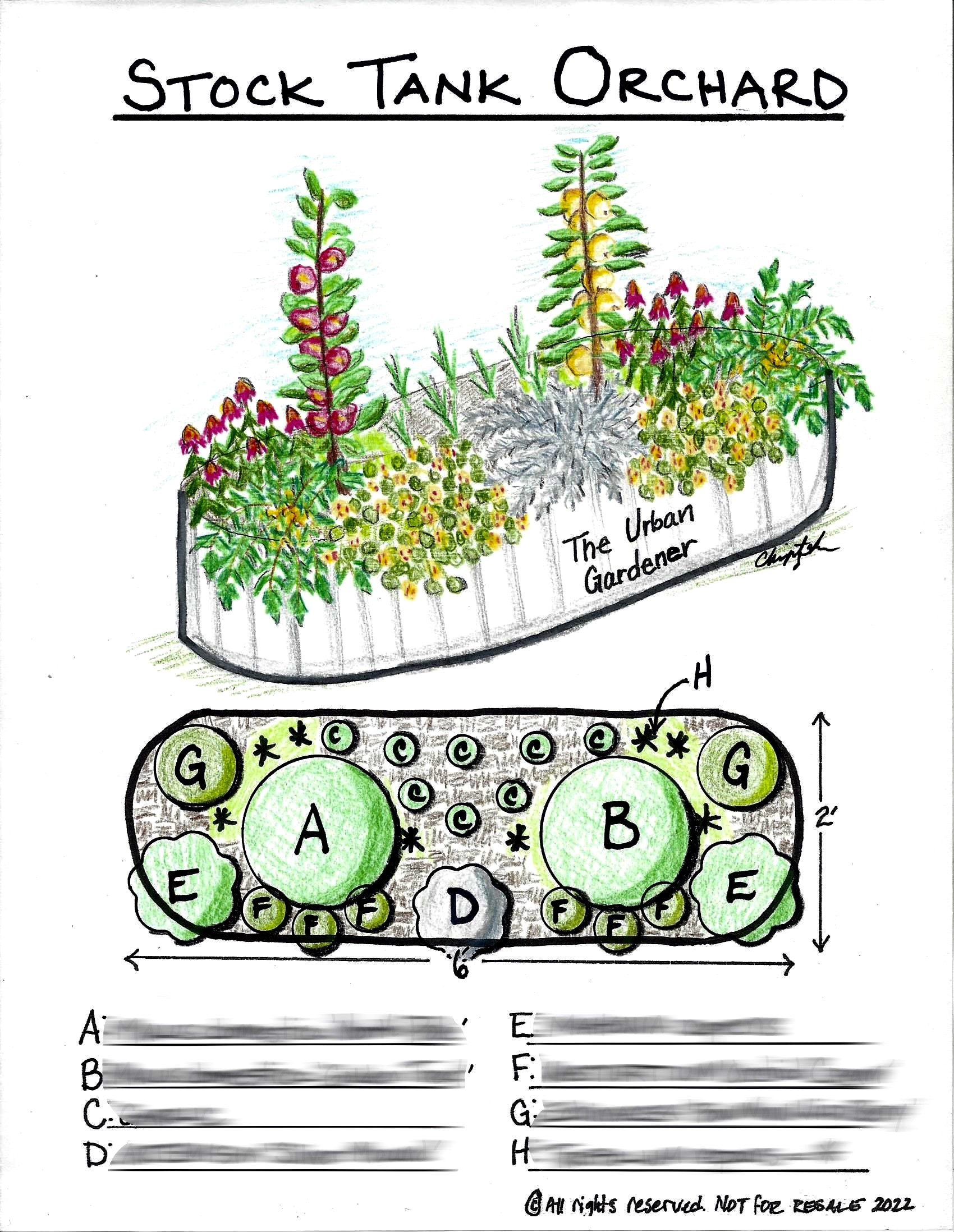
Image of orchard companion planting
- Image 1: A diagram of an orchard companion planting scheme, showing different fruit trees and shrubs planted together.
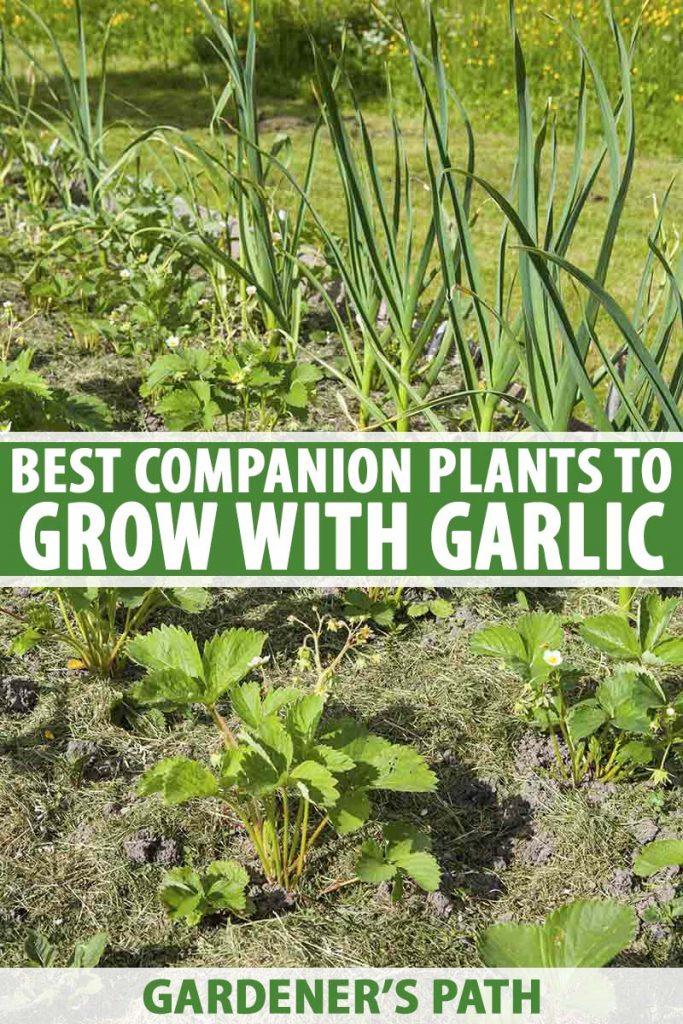
- Image 2: A photo of a peach tree planted next to a row of strawberries.
- Image 3: A photo of a pear tree planted next to a row of lavender.

- Image 4: A photo of an apple tree planted next to a row of beans.

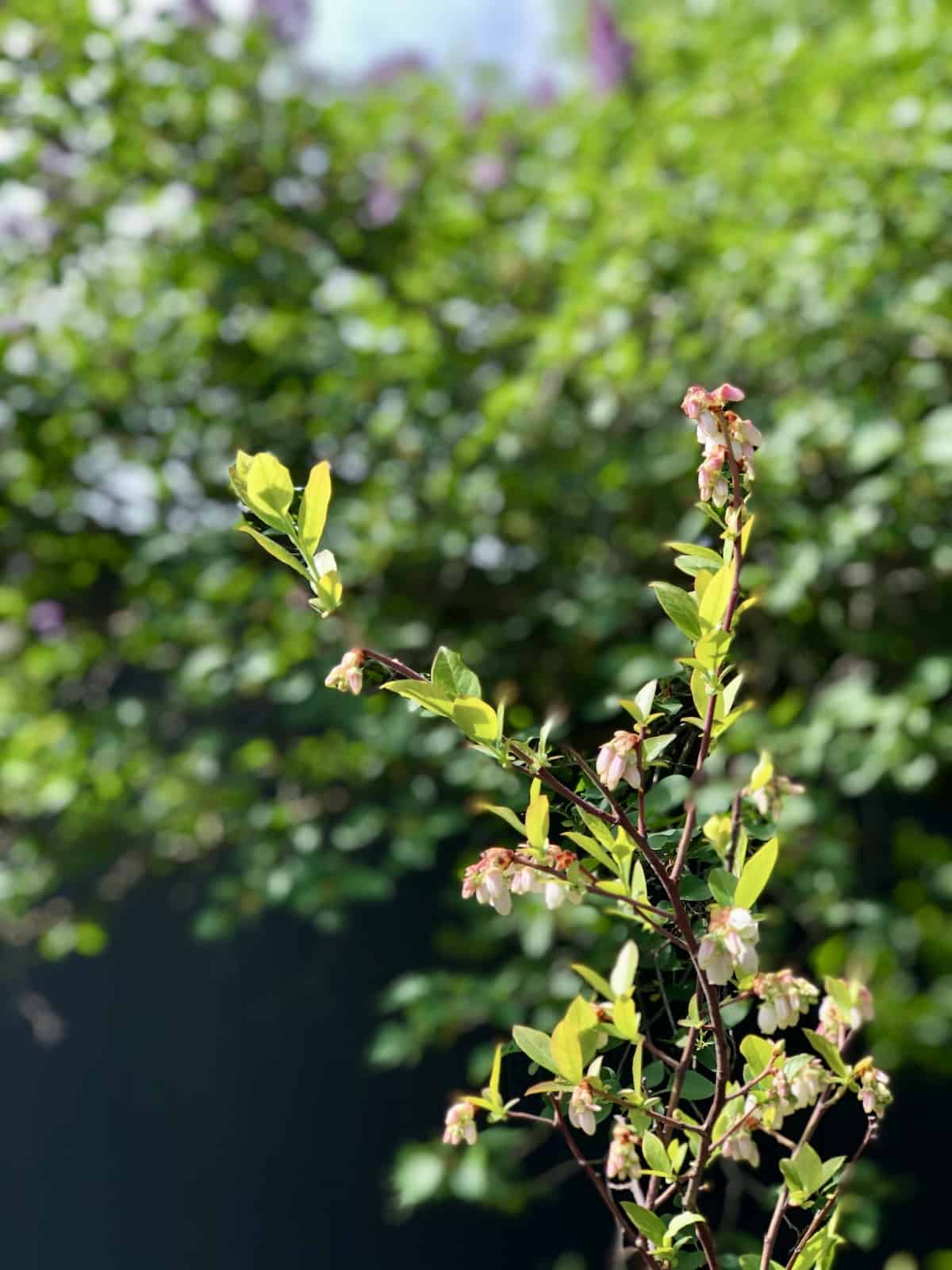
- Image 5: A photo of a blueberry bush planted next to a row of carrots.

Post a Comment for "The Ultimate Guide To Orchard Companion Planting"